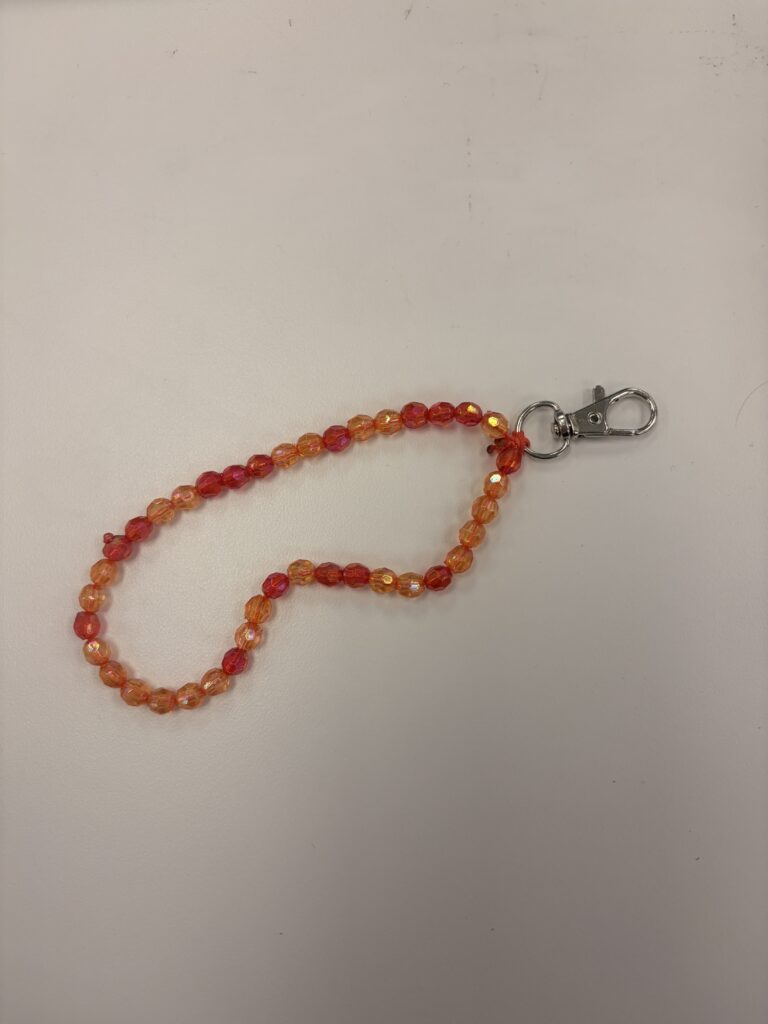
This week we had Noelle Pepin come in and share her research on “Beaded Tweets.” These beaded projects use binary code to represent letters and to then create beaded projects. This is a great example of one way you can blend Indigenous ways of knowing, as beadwork is common to many Indigenous cultures, and modern learning outcomes found in ADST (like coding).
I found the experience to be very interesting, as I have done some coding in the past and found it to be not engaging or interesting to me personally. I think something like this activity is great for teaching many ADST-related things, as it incorporates more than just one part of it. By incorporating something more artistic, having that social studies/Indigenous learning component, or incorporating things like story, these kinds of multi-disciplinary activities reach more students and are overall more engaging and enjoyable for more students.
I think this experience matters for so many reasons. For me personally, it allowed me to discover new ways of approaching subjects I am less interested in, both as a learner and teacher. By seeing a new way to bridge things I find interesting and those that I do not, I am able to then develop tools to help my future students also achieve this. As well, it showed me one way that I can include Indigenous knowledge and pedagogy into my learning and teaching. By having the activity be based in Indigenous knowledge, via the beading, but also via the act of teaching us about how one’s first beaded project should be a gift for another person, it allows for an organic method of incorporating Indigenous ways of knowing that doesn’t feel forced or ingenuine.
Overall, I found Noelle’s presentation to be important for my own learning and view of learning things I am unfamiliar with, as well as for finding new ways of approaching and incorporating Standard 9 in my teaching.