
Educators implement effective planning, instruction, assessment and reporting practices to create respectful, inclusive environments for student learning and development.
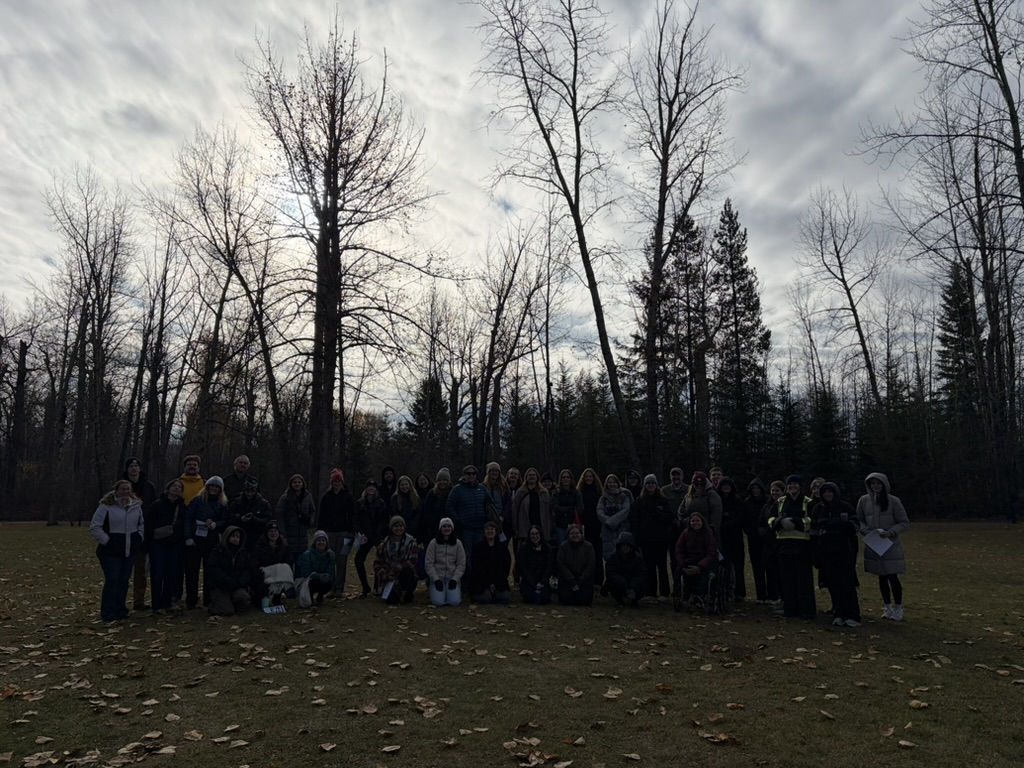
Our trip to Cottonwood Island Park gave me an opportunity to reflect on Standard 5 and how effective planning and instruction can create meaningful and inclusive learning experiences for students. One thing that stood out to me was how learning opportunities exist beyond the traditional classroom. As future educators, I think we can sometimes become so focused on planning lessons that take place inside the classroom that we overlook the possibilities of using the environment around us as a learning resource. This experience reminded me that effective teaching involves being intentional about where and how learning takes place, and recognizing that different environments can provide students with different opportunities to engage with the curriculum.
One of my biggest takeaways from our discussions is just how exhaustive the lesson planning process can be. There are so many moving parts and considerations that go into creating a meaningful lesson. Teachers need to think about curriculum connections, learning objectives, student needs, accessibility, materials, assessment, and how students will engage with the activity. It can feel overwhelming trying to account for all of these things, especially when we are planning without the context of actual students. Although we can anticipate different learning needs and abilities, it is difficult to know exactly what will work until we get to know the students we are teaching. I think this is an important part of Standard 5 because effective planning is not just about having a lesson prepared, but about considering who our students are and how we can create opportunities for everyone to participate and be successful.
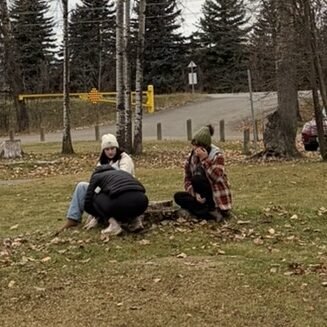
Our visit to Cottonwood also demonstrated how outdoor learning can make lessons more expansive and meaningful. A single outdoor learning experience can incorporate so many different subject areas, including science, social studies, language arts, art, and physical education. Students can explore their surroundings, make observations, ask questions, and develop connections to the environment around them. These experiences can provide opportunities for learning that might be difficult to recreate within four classroom walls.
There is also a connection between outdoor learning and the First Peoples’ Principles of Learning. In particular, learning outdoors can support the ideas that learning is holistic, experiential, relational, and connected to place. It provides opportunities for students to learn through experience and develop a greater understanding of their relationship with the natural world.
Overall, our trip to Cottonwood reminded me that learning does not need to be limited to the classroom. As I continue developing my lesson planning skills, I want to be more intentional about considering the spaces and environments available to me as an educator. Sometimes, the most meaningful learning opportunities can come from simply stepping outside and looking at the world around us differently.